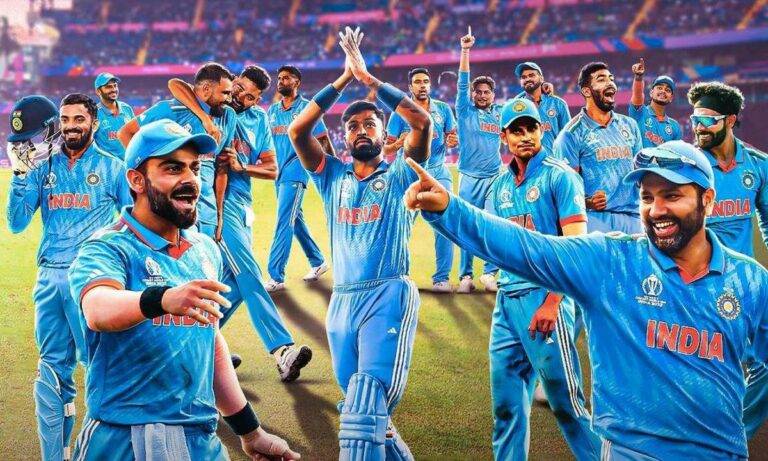

The Role of Peer Mentoring in Youth Cricket Programs: Gold bet 7, Radhe exchange, 11xplay.online
gold bet 7, Radhe Exchange, 11xplay.online: Cricket is a sport that requires not only physical skills but also mental ones. Youth cricket programs are vital for developing young players and helping them enhance their game. One essential element of these programs is peer mentoring. Peer mentoring plays a significant role in shaping young cricketers into well-rounded individuals and players.
The Role of Peer Mentoring in Youth Cricket Programs
Peer mentors are older, more experienced players who assist younger players in their development. They provide guidance, support, and encouragement, both on and off the field. Peer mentors lead by example, demonstrating good sportsmanship, discipline, and teamwork. They help young players improve their technical skills, develop their strategic thinking, and build their confidence.
Building Relationships
One of the key benefits of peer mentoring in youth cricket programs is the relationships it fosters between players of different ages and skill levels. Peer mentors serve as role models for younger players, offering guidance and support in a way that coaches may not always be able to do. These relationships can help create a sense of camaraderie and teamwork within the team, leading to better performance on the field.
Developing Leadership Skills
Peer mentoring also helps young players develop their leadership skills. By taking on a mentoring role, older players learn how to communicate effectively, motivate others, and take responsibility for their actions. These skills are essential not only on the cricket field but also in other areas of life. Peer mentors learn how to lead by example, and in doing so, they inspire their peers to strive for excellence.
Enhancing Skills
Peer mentors play a crucial role in helping young players improve their cricket skills. They provide feedback, offer tips and advice, and help younger players work on their weaknesses. Peer mentors can also serve as sparring partners, challenging younger players to push themselves and reach new levels of performance. By working closely with their peers, young cricketers can accelerate their development and become more well-rounded players.
Instilling Values
In addition to helping young players improve their cricket skills, peer mentors also play a vital role in instilling values such as sportsmanship, respect, and integrity. By modeling these values in their interactions with others, peer mentors help create a positive and supportive team culture. This culture, in turn, promotes a sense of belonging and unity among team members, fostering a positive environment for all players to thrive.
FAQs
Q: How are peer mentors selected in youth cricket programs?
A: Peer mentors are typically selected based on their experience, leadership skills, and ability to connect with younger players. Coaches may also consider factors such as attitude, work ethic, and commitment to the team.
Q: What training do peer mentors receive?
A: Peer mentors may receive training on effective communication, mentoring techniques, and leadership skills. They may also participate in workshops or seminars on topics such as teamwork, sportsmanship, and conflict resolution.
Q: Can peer mentoring benefit both younger and older players?
A: Yes, peer mentoring can benefit players of all ages. Younger players receive guidance and support from older, more experienced players, while older players develop their leadership skills and gain a sense of fulfillment from helping others.
In conclusion, peer mentoring plays a crucial role in youth cricket programs by building relationships, developing leadership skills, enhancing skills, and instilling values. By working together and supporting one another, players of all ages can grow and develop both on and off the cricket field.